
Dental Autoclaves: Essential Features for Safe and Efficient Sterilization
In dental practices, ensuring the safety and sterility of your instruments is crucial to maintaining patient health and infection control. Dental autoclaves are the go-to solution for sterilizing a variety of dental tools. Whether you’re sterilizing surgical instruments, dental handpieces, or biohazardous waste, choosing the right autoclave can significantly improve your sterilization process. Here’s an essential guide to help you understand the key specifications and features that make a dental autoclave suitable for your practice’s needs.
Core Specifications of Dental Autoclaves
1. Chamber Volume and Capacity
The chamber volume of an autoclave dictates how much material can be processed in one cycle. Smaller models, such as 20-liter benchtop autoclaves, are ideal for smaller clinics with moderate sterilization needs. For larger practices or those requiring higher throughput, autoclaves with capacities exceeding 100 liters are more appropriate. A larger chamber ensures you can sterilize more instruments at once, reducing downtime between cycles.
2. Temperature Range
The standard sterilization temperature in dental applications is 121°C. However, certain materials and tasks may require higher temperatures. Many modern autoclaves offer adjustable temperature ranges from 105°C to 135°C, which is essential for decontaminating prions or other more resilient pathogens.
3. Pressure Range
To achieve the sterilization temperature of 121°C, autoclaves operate at a pressure of approximately 15 psi (1.05 bar) above atmospheric pressure. Ensure that your autoclave’s pressure range is sufficient to maintain this pressure throughout the sterilization cycle. Higher pressure is often required for specialized tasks, such as sterilizing thick, wrapped items or biohazardous waste.
Key Performance Features
The performance of an autoclave goes beyond the basic specifications and includes several critical features designed to improve sterilization efficiency and safety.
Efficient Heating and Cooling Systems
- Heating: A powerful heating element or external steam generator quickly raises the temperature in the autoclave chamber, reducing cycle time and ensuring fast sterilization. A faster heat-up time is especially beneficial for busy practices.
- Cooling: Rapid cooling systems, such as fans or water jackets, help to reduce the chamber temperature quickly after sterilization. This is essential when sterilizing heat-sensitive items or ensuring that instruments are cool enough to handle immediately.
Air and Moisture Removal
Autoclaves require a vacuum or gravity displacement to remove air from the chamber before introducing steam. Air pockets prevent steam from reaching surfaces effectively, so advanced autoclaves use vacuum pumps to create a vacuum before sterilization begins. This feature is essential when sterilizing porous items or wrapped instruments.
Active Drying Systems
After sterilization, it’s crucial to remove any residual moisture from instruments to prevent rusting. Dental autoclaves with active drying systems use a combination of heat and vacuum to ensure that items emerge dry, clean, and ready for immediate use.
Specialized Cycle Options
Different types of loads require different sterilization cycles. A well-designed dental autoclave comes with pre-programmed cycles to address specific sterilization needs:
- Liquid Cycle: Specially designed for sterilizing liquids like saline or media. This cycle ensures slow cooling to prevent media from boiling over.
- Solid Cycle: Used for sterilizing solid dental instruments and tools, often accompanied by a vacuum stage for better air removal.
- Waste Cycle: For sterilizing biohazardous waste, these cycles ensure that all waste is safely decontaminated before disposal, with additional safety measures like effluent decontamination.
Safety Features for Dental Autoclaves
Safety is paramount in any sterilization process. Dental autoclaves incorporate several important safety mechanisms:
- Locking Door Mechanism: Prevents the door from opening while the autoclave is pressurized, ensuring that the user is not exposed to the high-temperature steam.
- Pressure Relief Valve: Provides an extra layer of protection against over-pressurization, ensuring the autoclave functions within its safe limits.
- Temperature Sensors: Constantly monitor the temperature within the chamber to prevent overheating or inaccurate sterilization conditions.
How to Choose the Right Dental Autoclave?
When selecting a dental autoclave for your practice, it’s important to match the specifications with your practice’s specific needs. Consider the following:
- For High-Throughput Clinics: Opt for an autoclave with faster heating and cooling systems, and ensure it has a larger chamber volume to handle multiple items in one cycle.
- For Instrument Sterilization: Choose a model with a vacuum-assisted cycle for air removal and a post-cycle drying system to ensure thorough sterilization of all instruments.
- For Biohazardous Waste: Make sure the autoclave is equipped with a waste cycle and effluent decontamination capabilities to handle hazardous materials safely.
- For Smaller Practices: A 20L to 40L benchtop autoclave might be sufficient, offering a good balance between size and performance.
Conclusion: Enhance Your Practice’s Sterilization with SADA Medical
At SADA Medical, we specialize in providing high-performance dental autoclaves that are designed to meet the specific sterilization needs of your practice. Our autoclaves come equipped with advanced features like vacuum-assisted air removal, rapid heating and cooling, and specialized cycles for both solid and liquid loads.
Contact us today for personalized assistance in selecting the ideal autoclave for your dental practice’s needs!
More Solutions for You
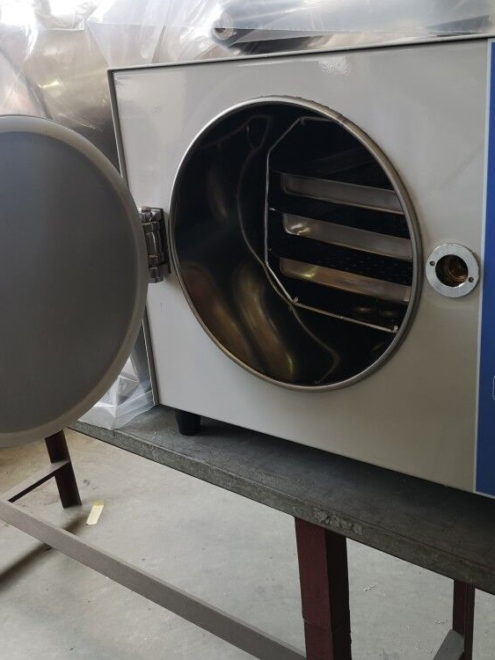 https://autoclaveforsale.com/wp-content/uploads/2023/03/Solution-of-Tabletop-Steam-Sterilizer-for-Dental-Clinic-13.jpg
750
1000
Sada Medical
https://autoclaveforsale.com/wp-content/uploads/2023/02/Sada_Medical-1.jpg
Sada Medical2023-03-04 19:49:152023-03-04 19:49:15Solution of Tabletop Steam Sterilizer for Dental Clinic
https://autoclaveforsale.com/wp-content/uploads/2023/03/Solution-of-Tabletop-Steam-Sterilizer-for-Dental-Clinic-13.jpg
750
1000
Sada Medical
https://autoclaveforsale.com/wp-content/uploads/2023/02/Sada_Medical-1.jpg
Sada Medical2023-03-04 19:49:152023-03-04 19:49:15Solution of Tabletop Steam Sterilizer for Dental Clinic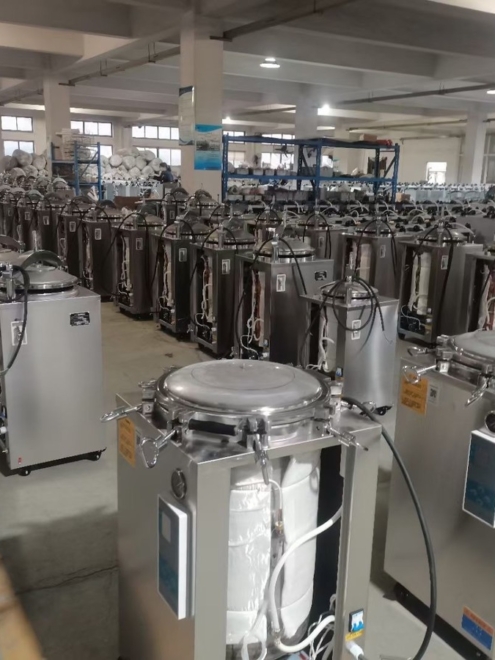 https://autoclaveforsale.com/wp-content/uploads/2023/03/Medical-Autoclave-Solution-for-Hospital-CSSD-5.jpeg
900
1200
Sada Medical
https://autoclaveforsale.com/wp-content/uploads/2023/02/Sada_Medical-1.jpg
Sada Medical2023-03-04 19:26:452023-03-04 19:31:11Medical Autoclave Solution for Hospital CSSD
https://autoclaveforsale.com/wp-content/uploads/2023/03/Medical-Autoclave-Solution-for-Hospital-CSSD-5.jpeg
900
1200
Sada Medical
https://autoclaveforsale.com/wp-content/uploads/2023/02/Sada_Medical-1.jpg
Sada Medical2023-03-04 19:26:452023-03-04 19:31:11Medical Autoclave Solution for Hospital CSSD


