
EO vs. Hydrogen Peroxide Plasma Sterilizer: Which Low-Temperature Solution Is Right for Your Facility?
EO vs. Hydrogen Peroxide Plasma: Choosing the Right Low-Temperature Sterilizer for Heat-Sensitive Instruments
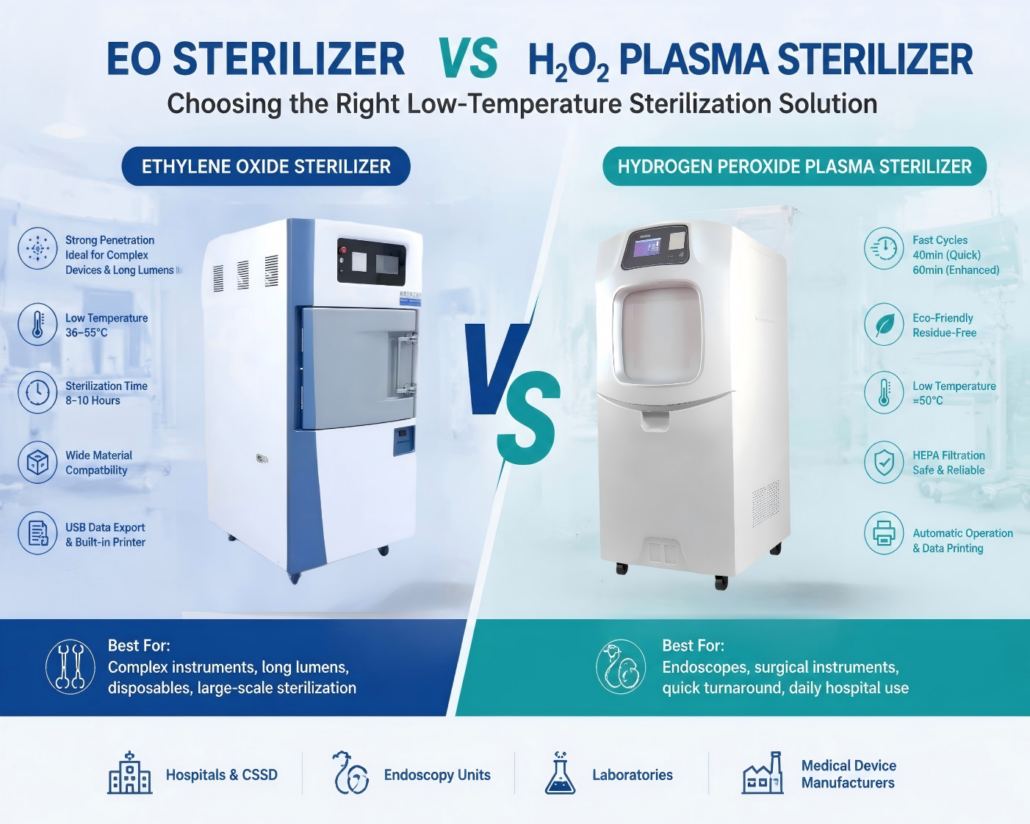
In modern healthcare, Central Sterile Supply Departments (CSSD), endoscopy units, and surgical clinics increasingly rely on low-temperature sterilization to protect delicate, heat-sensitive instruments. Two leading technologies dominate this space: Ethylene Oxide (EO) sterilization and hydrogen peroxide low temperature plasma sterilization. Both avoid the high heat of steam autoclaves, yet they differ fundamentally in cycle time, material compatibility, safety, and environmental footprint. At SADA Medical, we engineer both systems—the SD-XH Ethylene Oxide Sterilizer and the SD-D Series Low Temperature Hydrogen Peroxide Plasma Sterilizer—to give hospitals and laboratories a precise fit for their infection control workflows. This article maps out the key differences, helping you select the right low-temperature sterilizer for your hospital, dental clinic, or pharmaceutical cleanroom.
1. Sterilization Principle and Penetration
Ethylene Oxide Sterilizer
EO sterilization relies on 100% pure ethylene oxide gas, which penetrates deeply into complex lumens and porous materials. The SD-XH Ethylene Oxide Sterilizer uses a vacuum circulation process to diffuse EO gas evenly throughout the 5052 aluminum alloy chamber. Thanks to excellent penetration without lumen restrictions, EO effectively inactivates bacteria, spores, and viruses even inside long, narrow-lumen instruments. A saturated steam system maintains precise humidity (RH 45–85%), a critical factor for EO efficacy.
Hydrogen Peroxide Plasma Sterilizer
The SD-D low temperature hydrogen peroxide plasma sterilizer uses H₂O₂ solution capsules as the sterilant. Under deep vacuum (50 Pa), hydrogen peroxide vaporizes and diffuses across load surfaces. A low-temperature plasma phase then breaks down residual peroxide into water vapor and oxygen. While highly effective for surface and short-lumen devices, hydrogen peroxide sterilization demands careful attention to lumen length and diameter—making the SD-D series ideal for rigid and flexible endoscopes, cameras, cables, and electronic surgical instruments.
2. Sterilization Temperature: Protecting Heat-Sensitive Instruments
Both technologies are purpose-built for heat-sensitive instruments that cannot withstand steam sterilization.
-
SD-XH Ethylene Oxide Sterilizer: Adjustable sterilization temperature from 36°C to 55°C, giving maximum flexibility for temperature-critical devices.
-
SD-D Low Temperature Hydrogen Peroxide Plasma Sterilizer: Operates at an average 55°C (50°C±5°C), a safe low-temperature window for delicate endoscopic equipment, handpieces, and implantology tools.
Clinics handling extremely fragile polymer-based devices often prefer the sub-50°C capability of an EO sterilizer, while the SD-D plasma unit provides a consistent, validated low-temperature environment for most modern endoscopy and laparoscopic sets.
3. Cycle Time and Turnaround: Fast Cycle vs. Parametric Release
Hydrogen Peroxide Plasma: Fast Cycle for High Throughput
Speed is a standout feature of the SD-D plasma series. Two standard cycles are available: a Quick mode (40 minutes) for routine loads, and an Enhanced mode (60 minutes) for complex instruments and lumens. Since H₂O₂ decomposes into water and oxygen, no aeration or off-gassing is required. The load is ready for immediate use right after the cycle, supporting rapid instrument turnover in busy CSSD and endoscopy units.
Ethylene Oxide: Parametric Release for Reliable Turnaround
The SD-XH Ethylene Oxide Sterilizer requires a longer sterilization time of 8–10 hours, depending on the material type and load configuration. However, SADA Medical’s EO solution incorporates parametric release, which allows validated, immediate use of sterilized instruments as soon as critical process parameters (temperature, humidity, EO concentration, exposure time) are met. While the overall cycle is longer compared to plasma, parametric release eliminates the additional wait time of biological indicator incubation, giving hospitals a faster, documented release pathway. EO is still the go-to method for large volumes of mixed materials and long-lumen devices where alternative low-temperature technologies face penetration limitations.
4. Residue, Safety, and Environmental Impact
EO Sterilizer Safety Features
The SD-XH is engineered with multiple safety protections, including temperature and pressure monitoring. Because EO is a toxic gas, the sterilizer operates under vacuum and tightly controlled conditions. Post-cycle, the chamber and load are flushed to reduce EO residuals. Environmental and staff safety considerations mean EO rooms require proper ventilation and monitoring, and the process is managed through a closed system with pure EO gas cartridges. The SD-XH’s 7-inch color LCD touch panel, USB data export, and built-in mini thermal printer provide complete traceability for every cycle.
H₂O₂ Plasma: Eco-Friendly & Residue-Free
The SD-D plasma sterilizer carries a clear safety and environmental advantage: hydrogen peroxide breaks down into harmless water vapor and oxygen. There are no toxic byproducts, no aeration required, and no chemical residuals left on instruments. A medical-grade HEPA filter achieves 99.5% removal of particles ≥0.3μm from residual gas before discharge, protecting staff and the environment. The fully automatic operation, electric push-rod door with vacuum seal interlock, and overpressure/overtemperature auto-protection make the SD-D series an operator-friendly, safe choice for facilities that prioritize green sterilization and immediate instrument availability.
5. Material Compatibility and Application Scenarios
EO Sterilizer Applications
The SD-XH Ethylene Oxide Sterilizer excels in settings requiring deep penetration through long lumens and complex geometries. Typical applications include:
- Hospital CSSD for mixed surgical sets
- Medical device manufacturing and packaging
- Pharmaceutical and biotech sterilization
- Heat-sensitive instruments with extensive lumens
Plasma Sterilizer Applications
The SD-D low temperature hydrogen peroxide plasma sterilizer is optimized for:
- Hospital CSSD terminal sterilization of delicate surgical sets
- Endoscopy units — flexible and rigid endoscopes, cameras, cables
- Dental clinics — handpieces, contra-angles, implantology tools
- Pharmaceutical cleanrooms requiring GMP-compliant sterilization
- Veterinary and research laboratories
6. Data Management and Ease of Use
Both SADA Medical sterilizers feature a 7” color LCD touch panel for intuitive control and real-time monitoring. Each system comes with a built-in mini thermal printer and USB data export to support traceability, record keeping, and compliance with quality management standards. Pre-set sterilization modes reduce human error and streamline daily operations. Whether you choose the SD-XH EO sterilizer or the SD-D plasma unit, you benefit from a user-friendly interface and robust documentation capabilities.
SD-XH vs. SD-D: At-a-Glance Comparison
| Feature | SD-XH Ethylene Oxide Sterilizer | SD-D H₂O₂ Low Temperature Plasma Sterilizer |
|---|---|---|
| Sterilization Agent | 100% pure EO gas | H₂O₂ solution / capsule |
| Temperature Range | 36–55°C adjustable | Average 55°C (50°C±5°C) |
| Cycle Time | 8–10 hours (parametric release) | 40 min (Quick) / 60 min (Enhanced) |
| Lumen Penetration | Excellent, no restrictions | Good; suited for short to medium lumens |
| Residue | Requires monitoring and ventilation | No toxic residues, eco-friendly |
| Aeration/Off-gassing | Required; parametric release speeds up release | None; immediate use after cycle |
| Safety Features | Temperature & pressure protection, closed gas system | HEPA filtration, electric door interlock, auto-protection |
| Suitable For | Long-lumen devices, mixed material loads, pharma manufacturing | Endoscopes, cameras, dental handpieces, cleanrooms |
| Chamber Volume Options | 120L / 220L | 108L / 135L / 192L |
| Data Management | USB export, built-in mini printer, 7” LCD | USB export, built-in mini printer, 7” LCD |
7. Which Low-Temperature Sterilizer Should You Choose?
Choose the SD-XH Ethylene Oxide Sterilizer if your facility processes a high volume of long-lumen, heavily wrapped, or mixed-material instruments where maximum penetration is non-negotiable. EO remains the gold standard for complex device sterilization when cycle time flexibility is acceptable, and it integrates smoothly into manufacturing and pharma workflows.
Choose the SD-D Low Temperature Hydrogen Peroxide Plasma Sterilizer if you need a fast, residue-free, eco-friendly process for endoscopes, cameras, and delicate electronic instruments. Its rapid 40–60 minute cycles and immediate instrument availability make it ideal for high-throughput CSSD and endoscopy suites where turnaround directly impacts patient care.
Ready to Upgrade Your Sterilization Suite?
SADA Medical delivers CE-marked, ISO 13485-certified low-temperature sterilization solutions backed by factory validation and global support. Whether you need the deep-penetration reliability of an EO sterilizer or the rapid, green performance of a hydrogen peroxide plasma system, our experts can help you configure the right equipment for your facility.
Contact us for a consultation, full specifications, or a custom OEM quotation:
-
Email: vivian@sadamedical.com
-
WhatsApp: +8618056076519
Explore the full SD-XH and SD-D series on our website and download the product catalog to see detailed cycle validation data.
If you would like to learn more about our horizontal autoclaves or have any further questions, please do not hesitate to contact us. We look forward to hearing from you soon.
Inquiry us Now
More Success Stories for You
 https://autoclaveforsale.com/wp-content/uploads/2026/06/主图-03-主图-04.jpg
2556
1918
Sada Medical
https://autoclaveforsale.com/wp-content/uploads/2023/02/Sada_Medical-1.jpg
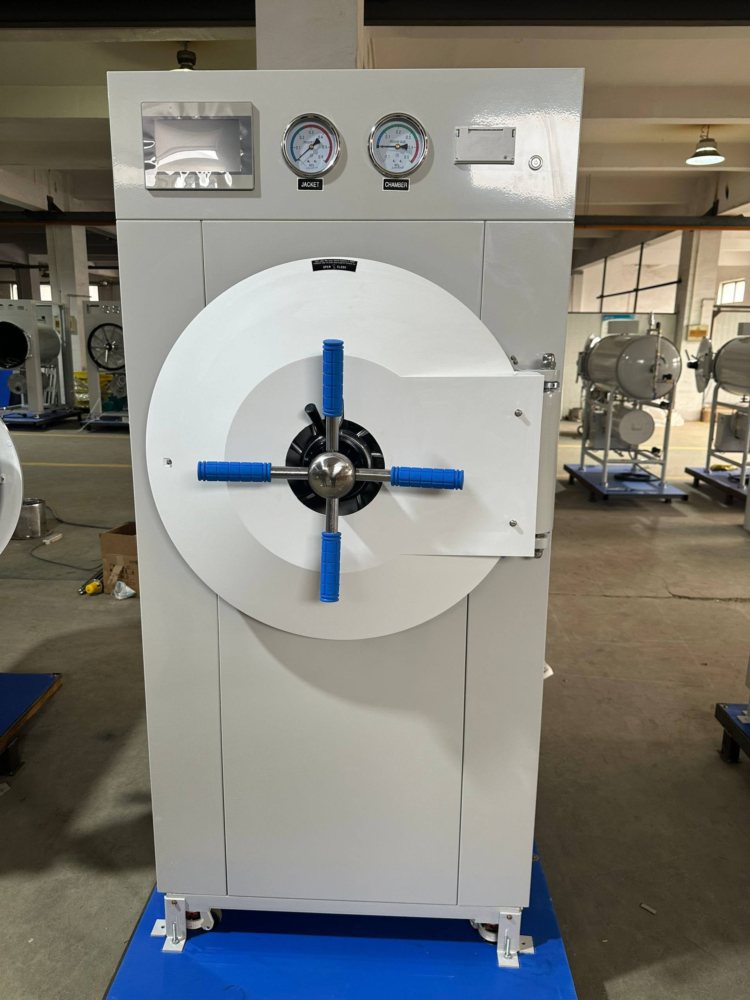
Sada Medical2026-06-22 11:57:262026-06-22 11:57:26100L HA-BAV Vacuum Horizontal Autoclave Delivered to Argentina Hospital CSSD Project | SADA Medical
https://autoclaveforsale.com/wp-content/uploads/2026/06/主图-03-主图-04.jpg
2556
1918
Sada Medical
https://autoclaveforsale.com/wp-content/uploads/2023/02/Sada_Medical-1.jpg
Sada Medical2026-06-22 11:57:262026-06-22 11:57:26100L HA-BAV Vacuum Horizontal Autoclave Delivered to Argentina Hospital CSSD Project | SADA Medical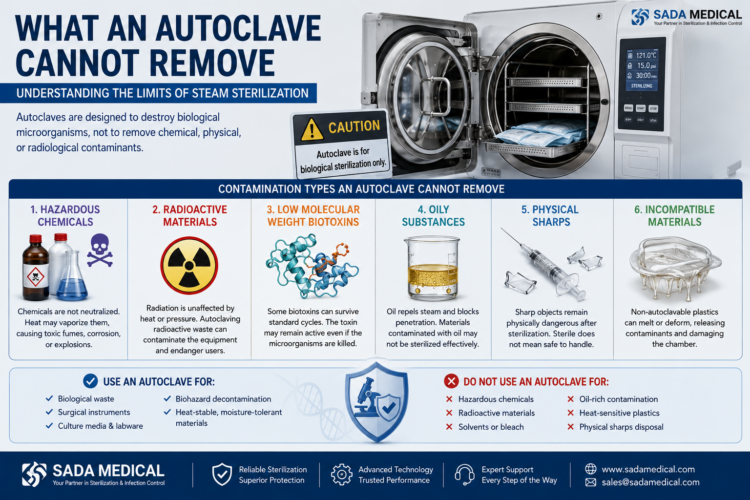 https://autoclaveforsale.com/wp-content/uploads/2026/05/Autoclave-Limitations-Chemical-Radioactive-Oil-Contamination-Risks.png
1024
1536
Sada Medical
https://autoclaveforsale.com/wp-content/uploads/2023/02/Sada_Medical-1.jpg
Sada Medical2026-05-26 11:18:122026-05-26 11:18:12What Can’t an Autoclave Remove? Understanding the Limits of Steam Sterilization
https://autoclaveforsale.com/wp-content/uploads/2026/05/Autoclave-Limitations-Chemical-Radioactive-Oil-Contamination-Risks.png
1024
1536
Sada Medical
https://autoclaveforsale.com/wp-content/uploads/2023/02/Sada_Medical-1.jpg
Sada Medical2026-05-26 11:18:122026-05-26 11:18:12What Can’t an Autoclave Remove? Understanding the Limits of Steam Sterilization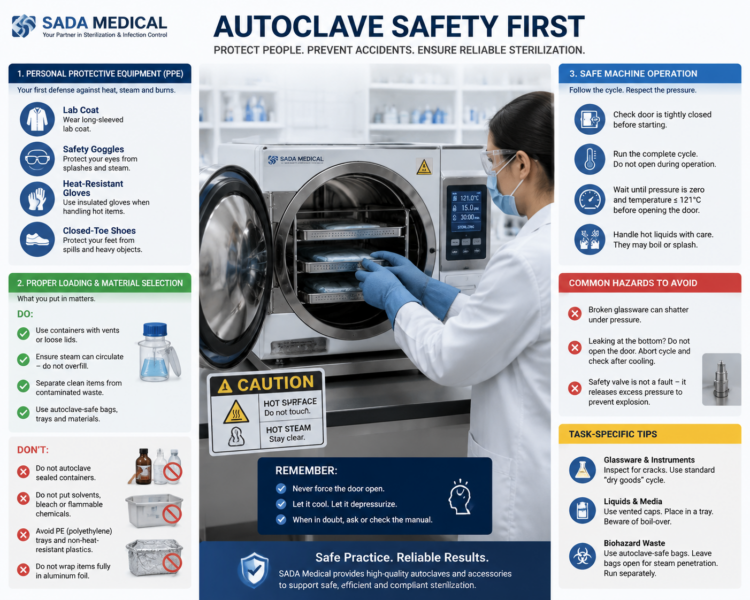 https://autoclaveforsale.com/wp-content/uploads/2026/05/Sada-Medical-autoclave-safety-guidelines-in-laboratory.png
1122
1402
Sada Medical
https://autoclaveforsale.com/wp-content/uploads/2023/02/Sada_Medical-1.jpg
Sada Medical2026-05-11 11:42:382026-05-11 11:42:38Laboratory Autoclave Safety: PPE, Loading, and Operational Tips
https://autoclaveforsale.com/wp-content/uploads/2026/05/Sada-Medical-autoclave-safety-guidelines-in-laboratory.png
1122
1402
Sada Medical
https://autoclaveforsale.com/wp-content/uploads/2023/02/Sada_Medical-1.jpg
Sada Medical2026-05-11 11:42:382026-05-11 11:42:38Laboratory Autoclave Safety: PPE, Loading, and Operational Tips https://autoclaveforsale.com/wp-content/uploads/2026/05/Sada-Medical-vertical-autoclave-VA-SJ-75L-for-clinics-and-research-labs.jpg
1706
1279
Sada Medical
https://autoclaveforsale.com/wp-content/uploads/2023/02/Sada_Medical-1.jpg
Sada Medical2026-05-06 18:01:502026-05-06 18:02:05Meet the VA-SJ 75L Vertical Autoclave – Reliable Sterilization Made Easy
https://autoclaveforsale.com/wp-content/uploads/2026/05/Sada-Medical-vertical-autoclave-VA-SJ-75L-for-clinics-and-research-labs.jpg
1706
1279
Sada Medical
https://autoclaveforsale.com/wp-content/uploads/2023/02/Sada_Medical-1.jpg
Sada Medical2026-05-06 18:01:502026-05-06 18:02:05Meet the VA-SJ 75L Vertical Autoclave – Reliable Sterilization Made Easy


