
Recognizing and Fixing Water Quality Failures in Sterile Processing
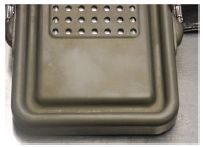
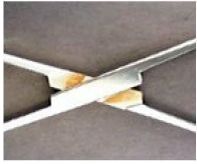
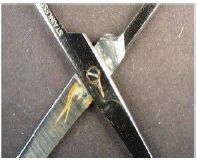
Water quality issues are a critical factor in effective sterilization. If you’re seeing stains, rust, or deposits on your instruments, these aren’t cosmetic issues—they are likely signs of deeper water quality problems. In this article, we’ll guide you through how to recognize these signs and what actions to take to resolve them.
Common Water Quality Issues and How to Address Them:
-
Ineffective Cleaning and Residual Soil:
- Cause: Soil buildup due to improper cleaning methods or hard water.
- Solution: Check your detergents, water hardness, and loading methods to ensure optimal sterilization.
-
Surface Damage (Corrosion, Pitting, Rust, Cracking):
- Cause: Exposure to saline, iodine, or chlorine.
- Solution: Regularly monitor pH and chlorine levels and inspect instruments for early signs of damage.
-
Loss of Color and Staining:
- Cause: Harsh chemicals like chlorine and prolonged bleaching.
- Solution: Test for chlorine and adjust your sterilization chemicals and rinsing procedures.
Key Takeaways:
Don’t ignore stains, deposits, or discoloration—these are clear signs of water quality failures. Addressing these issues ensures better sterilization results and helps keep your patients safe.
At Sada Medical, our autoclaves are designed to meet AAMI ST108 standards, ensuring that your sterilization process is both effective and compliant.
If you would like to learn more about our horizontal autoclaves or have any further questions, please do not hesitate to contact us. We look forward to hearing from you soon.
Inquiry us Now
More Success Stories for You
 https://autoclaveforsale.com/wp-content/uploads/2026/06/Ethylene-Oxide-Sterilizer-vs-Hydrogen-Peroxide-Plasma-Sterilizer-Which-Low-Temperature-Sterilization-Solution-Is-Best.png
1122
1402
Sada Medical
https://autoclaveforsale.com/wp-content/uploads/2023/02/Sada_Medical-1.jpg
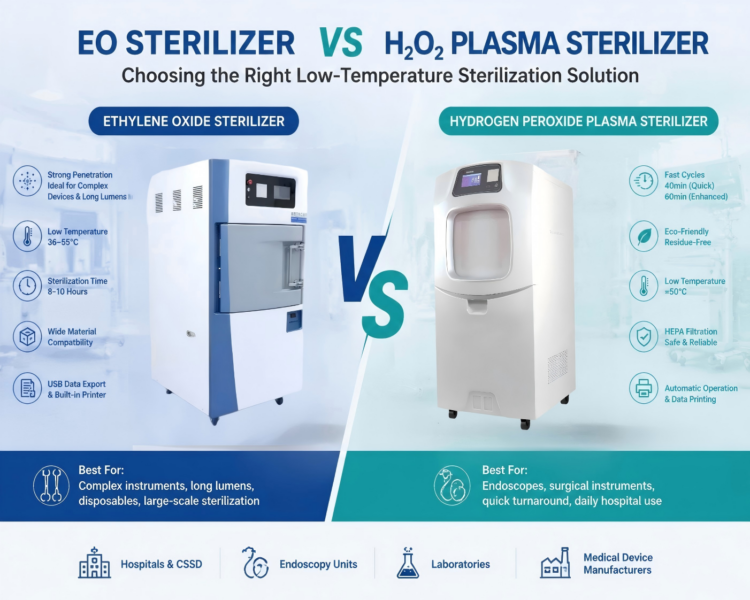
Sada Medical2026-06-04 15:10:472026-06-04 15:10:47Ethylene Oxide (EO) vs. Hydrogen Peroxide Plasma Sterilizer: Key Differences, Cycle Times & Safety | SADA Medical
https://autoclaveforsale.com/wp-content/uploads/2026/06/Ethylene-Oxide-Sterilizer-vs-Hydrogen-Peroxide-Plasma-Sterilizer-Which-Low-Temperature-Sterilization-Solution-Is-Best.png
1122
1402
Sada Medical
https://autoclaveforsale.com/wp-content/uploads/2023/02/Sada_Medical-1.jpg
Sada Medical2026-06-04 15:10:472026-06-04 15:10:47Ethylene Oxide (EO) vs. Hydrogen Peroxide Plasma Sterilizer: Key Differences, Cycle Times & Safety | SADA Medical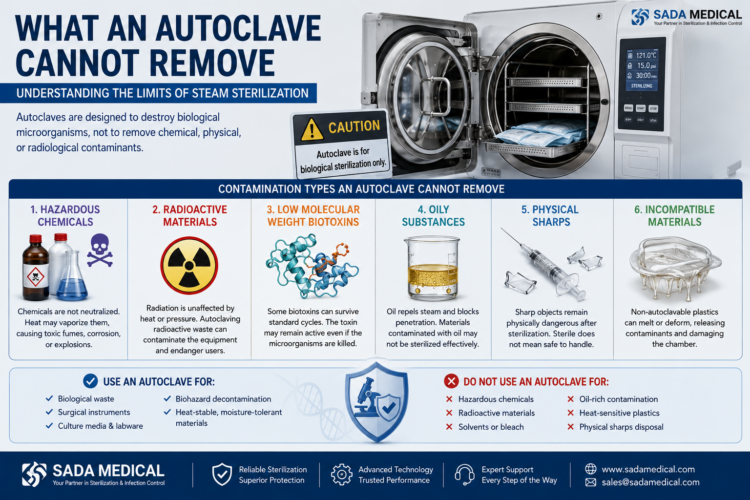 https://autoclaveforsale.com/wp-content/uploads/2026/05/Autoclave-Limitations-Chemical-Radioactive-Oil-Contamination-Risks.png
1024
1536
Sada Medical
https://autoclaveforsale.com/wp-content/uploads/2023/02/Sada_Medical-1.jpg
Sada Medical2026-05-26 11:18:122026-05-26 11:18:12What Can’t an Autoclave Remove? Understanding the Limits of Steam Sterilization
https://autoclaveforsale.com/wp-content/uploads/2026/05/Autoclave-Limitations-Chemical-Radioactive-Oil-Contamination-Risks.png
1024
1536
Sada Medical
https://autoclaveforsale.com/wp-content/uploads/2023/02/Sada_Medical-1.jpg
Sada Medical2026-05-26 11:18:122026-05-26 11:18:12What Can’t an Autoclave Remove? Understanding the Limits of Steam Sterilization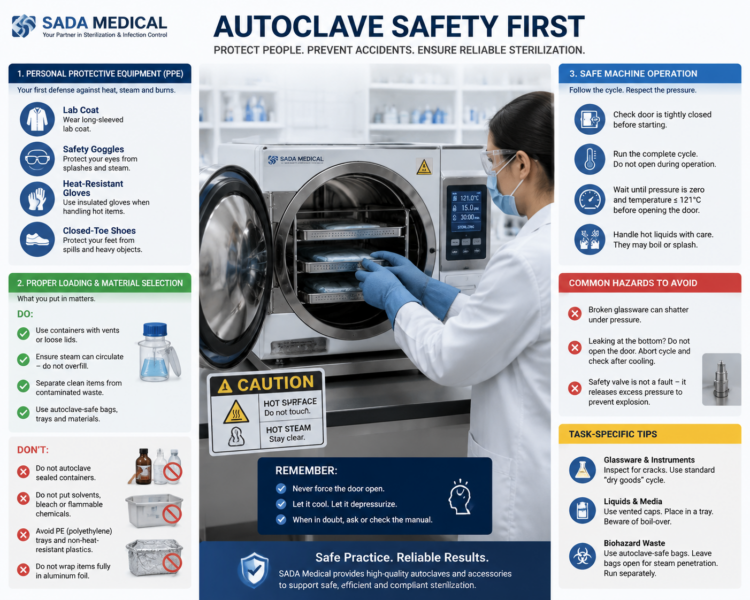 https://autoclaveforsale.com/wp-content/uploads/2026/05/Sada-Medical-autoclave-safety-guidelines-in-laboratory.png
1122
1402
Sada Medical
https://autoclaveforsale.com/wp-content/uploads/2023/02/Sada_Medical-1.jpg
Sada Medical2026-05-11 11:42:382026-05-11 11:42:38Laboratory Autoclave Safety: PPE, Loading, and Operational Tips
https://autoclaveforsale.com/wp-content/uploads/2026/05/Sada-Medical-autoclave-safety-guidelines-in-laboratory.png
1122
1402
Sada Medical
https://autoclaveforsale.com/wp-content/uploads/2023/02/Sada_Medical-1.jpg
Sada Medical2026-05-11 11:42:382026-05-11 11:42:38Laboratory Autoclave Safety: PPE, Loading, and Operational Tips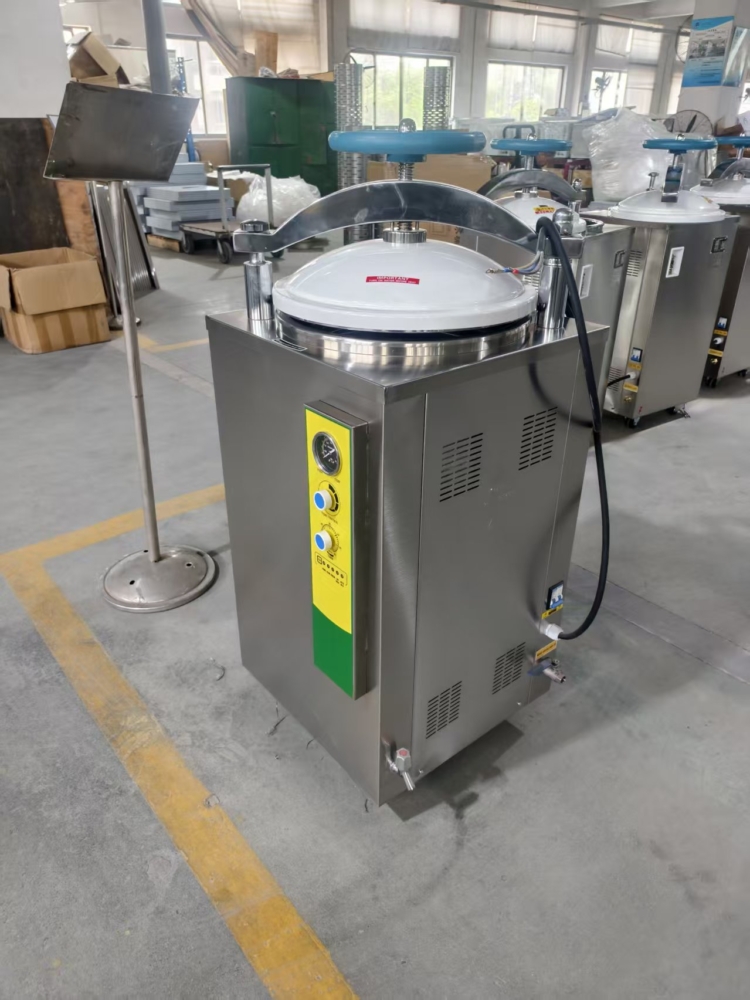 https://autoclaveforsale.com/wp-content/uploads/2026/05/Sada-Medical-vertical-autoclave-VA-SJ-75L-for-clinics-and-research-labs.jpg
1706
1279
Sada Medical
https://autoclaveforsale.com/wp-content/uploads/2023/02/Sada_Medical-1.jpg
Sada Medical2026-05-06 18:01:502026-05-06 18:02:05Meet the VA-SJ 75L Vertical Autoclave – Reliable Sterilization Made Easy
https://autoclaveforsale.com/wp-content/uploads/2026/05/Sada-Medical-vertical-autoclave-VA-SJ-75L-for-clinics-and-research-labs.jpg
1706
1279
Sada Medical
https://autoclaveforsale.com/wp-content/uploads/2023/02/Sada_Medical-1.jpg
Sada Medical2026-05-06 18:01:502026-05-06 18:02:05Meet the VA-SJ 75L Vertical Autoclave – Reliable Sterilization Made Easy


