
Why 121°C is the Standard Temperature for Autoclave Sterilization: Explained
Why 121°C is the Standard Temperature for Autoclave Sterilization: Explained
Sterilization is a cornerstone of safe and effective laboratory work. But why do we use 121°C in autoclaves, and how does this temperature work to ensure proper sterilization?
The Role of 121°C in Autoclaving
Autoclaving is the process of sterilizing instruments with pressurized steam. At 121°C, the steam’s latent heat rapidly kills even the toughest microbes, including bacterial endospores that survive boiling water. This temperature is the scientifically validated benchmark for sterilization.
Why 121°C Works:
- Moist Heat & Pressure: By raising the boiling point of water, autoclaves allow steam to sterilize materials at 121°C.
- Latent Heat of Steam: When steam condenses on cooler surfaces, it releases energy that effectively denatures microbial proteins.
- Efficiency: Compared to dry heat sterilization, 121°C in an autoclave offers faster and more reliable results.
Adjusting the Cycle for Different Needs
While 121°C is the go-to setting, the exact sterilization cycle depends on the material you’re sterilizing:
- Standard Cycle (121°C): Perfect for glassware, culture media, and lab waste.
- Flash Cycle (134°C): Ideal for quick sterilization of surgical instruments and durable tools.
Choosing the Right Autoclave Cycle for Your Lab
Understanding autoclaving principles helps in selecting the best cycle for your lab equipment. Sada Medical offers autoclaves with customizable cycles for all your sterilization needs.
Ready to upgrade your sterilization equipment? Choose Sada Medical for reliable, high-performance autoclaves that meet global standards.
Related Products
- High-efficiency Desktop Steam Sterilizer for Dental Clinics
- 35L – 150L Vertical High-Pressure Sterilizer
- Hydrogen peroxide low-temperature plasma sterilizer for heat-sensitive instruments
- Large-scale pulsating vacuum high-pressure sterilizer for use in hospital CSSD
People Also Ask
- What should be noted before using the sterilizer?
- Sterilize Liquids Safely & Effectively with Sada Medical Autoclaves | Best Practices
- How to Maximize Your Autoclave’s Lifespan: A Comprehensive Guide for Sterilization Equipment Care
- Small Steam Sterilizer – Reliable, Energy-Efficient Sterilization for Clinics & Labs | Sada Medical
- Recognizing and Fixing Water Quality Failures in Sterile Processing
- Choosing the Right Sterilizer for Your Hospital or Clinic: A Complete Buying Guide
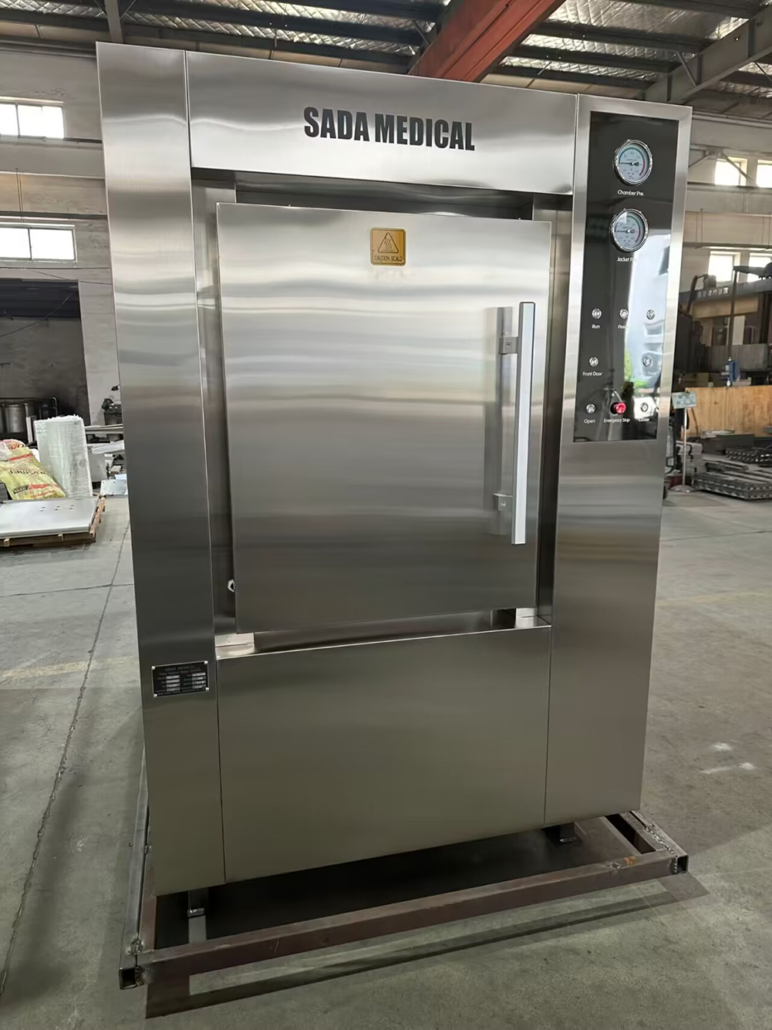
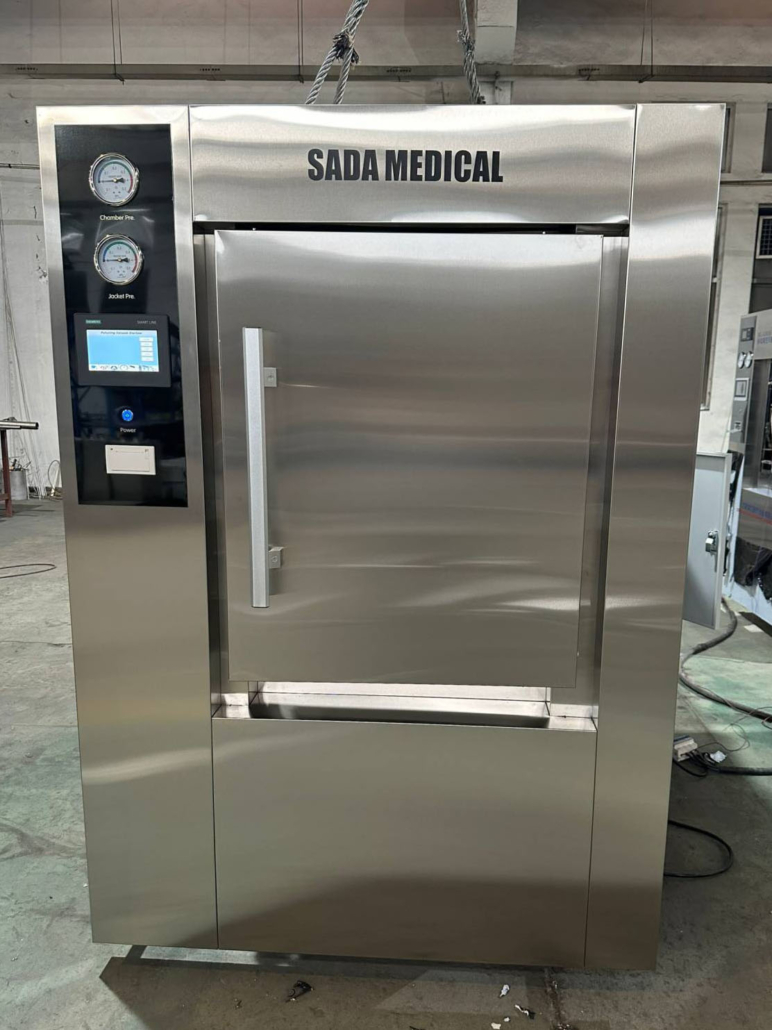
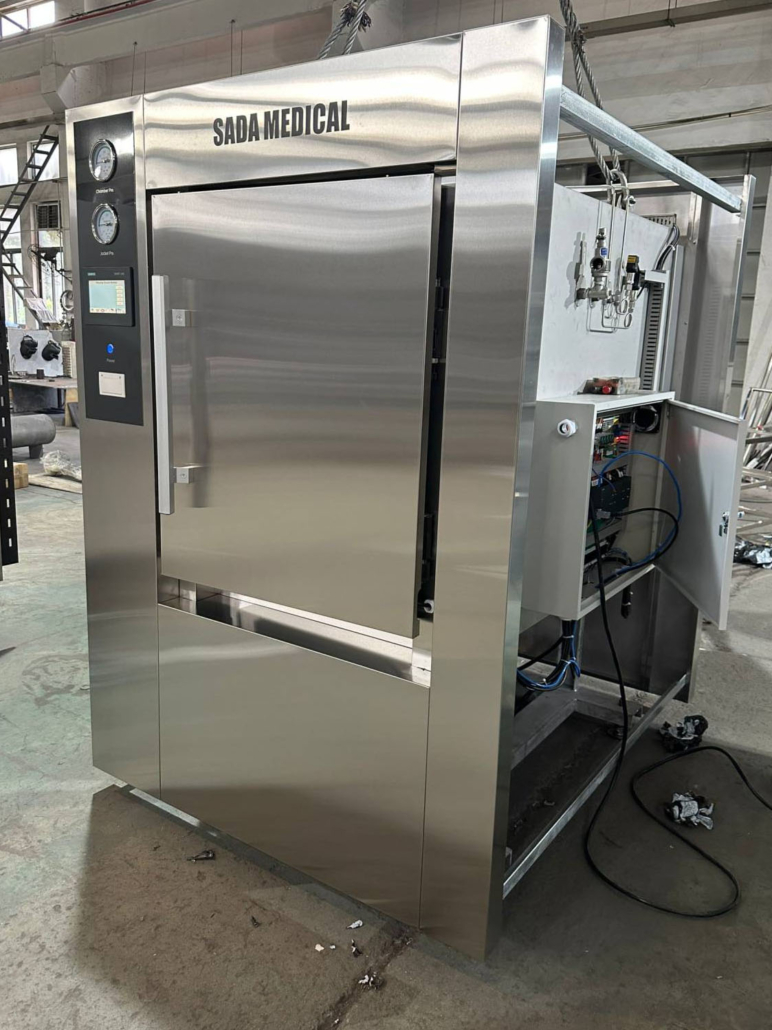
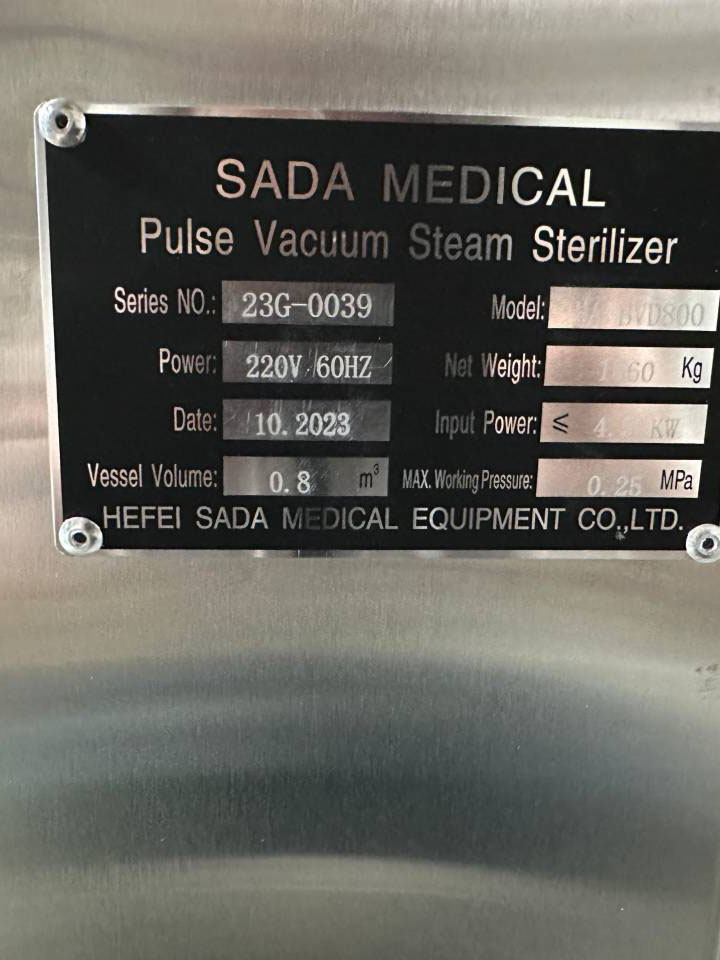
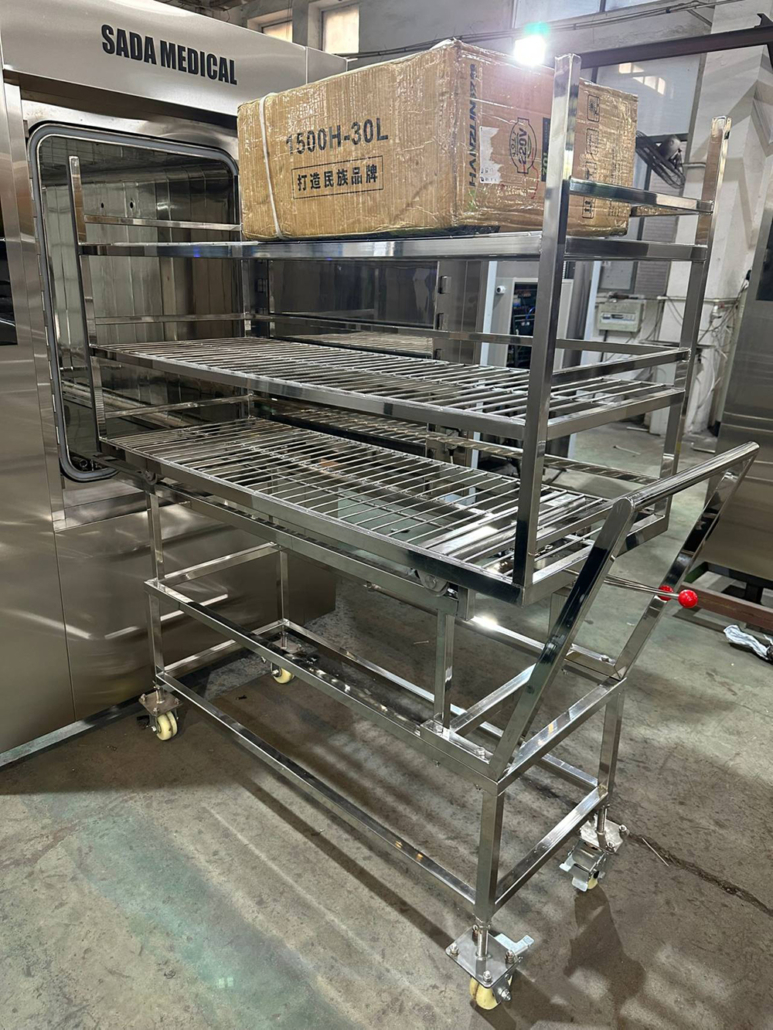
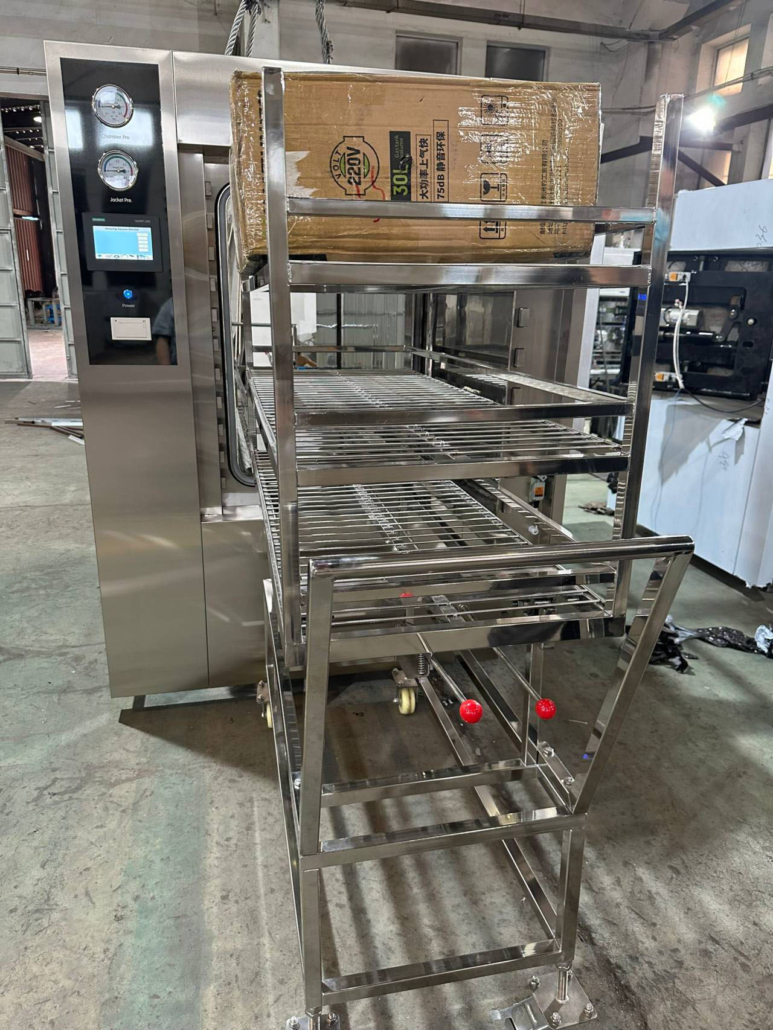
If you would like to learn more about our horizontal autoclaves or have any further questions, please do not hesitate to contact us. We look forward to hearing from you soon.
Inquiry us Now
More Success Stories for You
 https://autoclaveforsale.com/wp-content/uploads/2026/02/User-friendly-TS-B24-autoclave-for-quick-and-efficient-sterilization.jpg
1792
1008
Sada Medical
https://autoclaveforsale.com/wp-content/uploads/2023/02/Sada_Medical-1.jpg
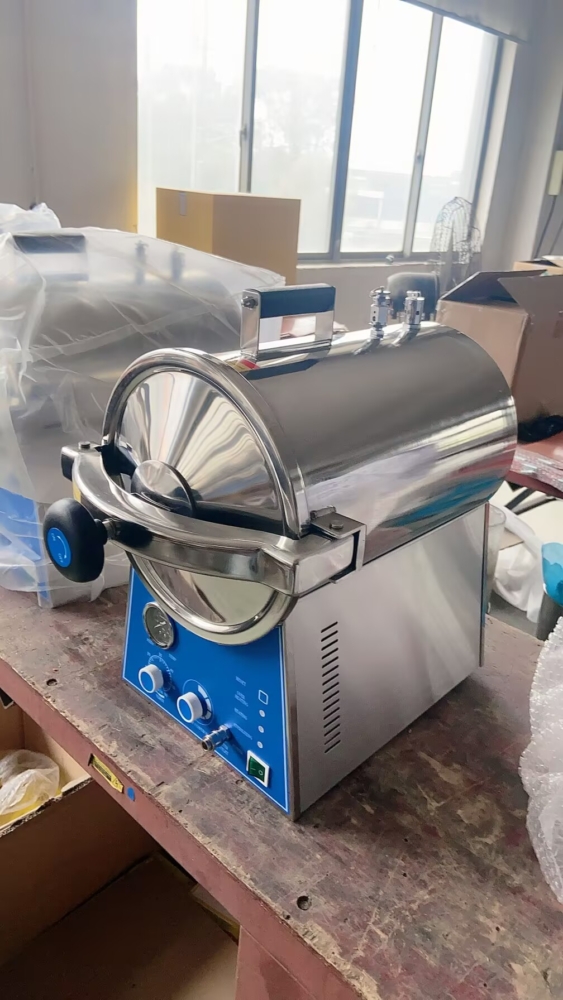
Sada Medical2026-02-27 10:00:032026-02-27 10:00:03SADA Medical Kicks Off the New Year with the Successful Delivery of TS-B24 Autoclave to India!
https://autoclaveforsale.com/wp-content/uploads/2026/02/User-friendly-TS-B24-autoclave-for-quick-and-efficient-sterilization.jpg
1792
1008
Sada Medical
https://autoclaveforsale.com/wp-content/uploads/2023/02/Sada_Medical-1.jpg
Sada Medical2026-02-27 10:00:032026-02-27 10:00:03SADA Medical Kicks Off the New Year with the Successful Delivery of TS-B24 Autoclave to India!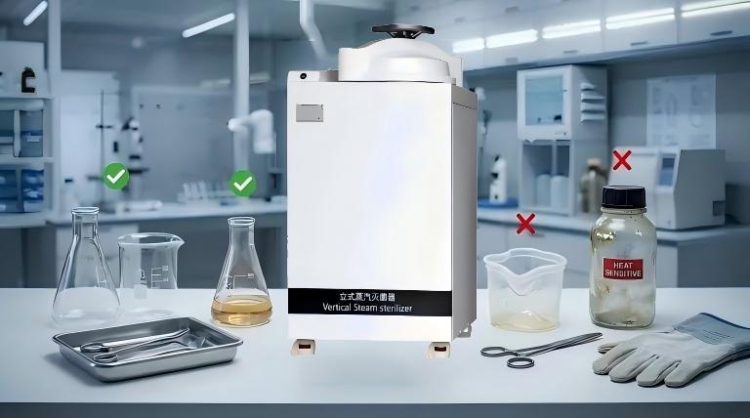 https://autoclaveforsale.com/wp-content/uploads/2026/02/Is-autoclave-suitable-for-all-materials_-The-Definitive-Guide-to-Safe-Sterilization.jpg
428
768
Sada Medical
https://autoclaveforsale.com/wp-content/uploads/2023/02/Sada_Medical-1.jpg
Sada Medical2026-02-09 10:58:182026-02-09 10:58:18Autoclave Sterilization: What Materials Can Be Safely Sterilized and Which Ones Should Be Avoided
https://autoclaveforsale.com/wp-content/uploads/2026/02/Is-autoclave-suitable-for-all-materials_-The-Definitive-Guide-to-Safe-Sterilization.jpg
428
768
Sada Medical
https://autoclaveforsale.com/wp-content/uploads/2023/02/Sada_Medical-1.jpg
Sada Medical2026-02-09 10:58:182026-02-09 10:58:18Autoclave Sterilization: What Materials Can Be Safely Sterilized and Which Ones Should Be Avoided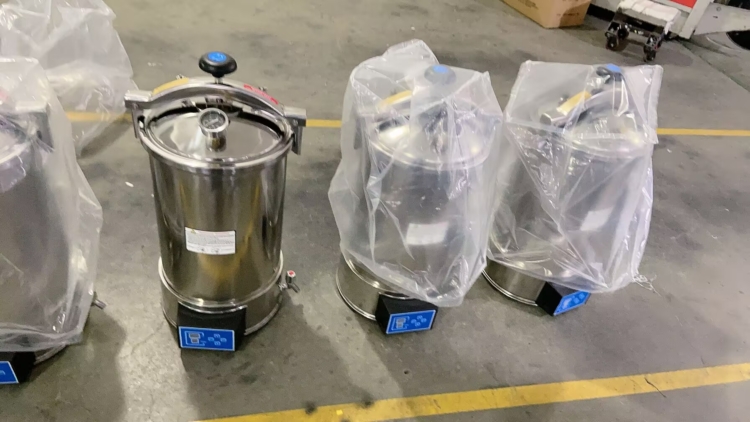 https://autoclaveforsale.com/wp-content/uploads/2026/01/SADA-Medicals-Portable-SD-PO-24L-Steam-Sterilizers-Help-Vietnam-Client-Streamline-Sterilization-Process.jpg
1008
1792
Sada Medical
https://autoclaveforsale.com/wp-content/uploads/2023/02/Sada_Medical-1.jpg
Sada Medical2026-01-27 17:30:582026-01-27 17:30:58Efficient Sterilization with SADA Medical’s SD-PO 24L Portable Pressure Steam Sterilizers for Vietnam Client
https://autoclaveforsale.com/wp-content/uploads/2023/02/Sada_Medical-1.jpg
0
0
Sada Medical
https://autoclaveforsale.com/wp-content/uploads/2023/02/Sada_Medical-1.jpg
Sada Medical2026-01-20 14:04:022026-01-20 14:05:53Efficient and Portable Sterilization with SADA Medical’s PA-BM Autoclaves – Delivered to Ethiopia
https://autoclaveforsale.com/wp-content/uploads/2026/01/SADA-Medicals-Portable-SD-PO-24L-Steam-Sterilizers-Help-Vietnam-Client-Streamline-Sterilization-Process.jpg
1008
1792
Sada Medical
https://autoclaveforsale.com/wp-content/uploads/2023/02/Sada_Medical-1.jpg
Sada Medical2026-01-27 17:30:582026-01-27 17:30:58Efficient Sterilization with SADA Medical’s SD-PO 24L Portable Pressure Steam Sterilizers for Vietnam Client
https://autoclaveforsale.com/wp-content/uploads/2023/02/Sada_Medical-1.jpg
0
0
Sada Medical
https://autoclaveforsale.com/wp-content/uploads/2023/02/Sada_Medical-1.jpg
Sada Medical2026-01-20 14:04:022026-01-20 14:05:53Efficient and Portable Sterilization with SADA Medical’s PA-BM Autoclaves – Delivered to Ethiopia


