
The Importance of Air Purification | Guide to Clean & Safe Air
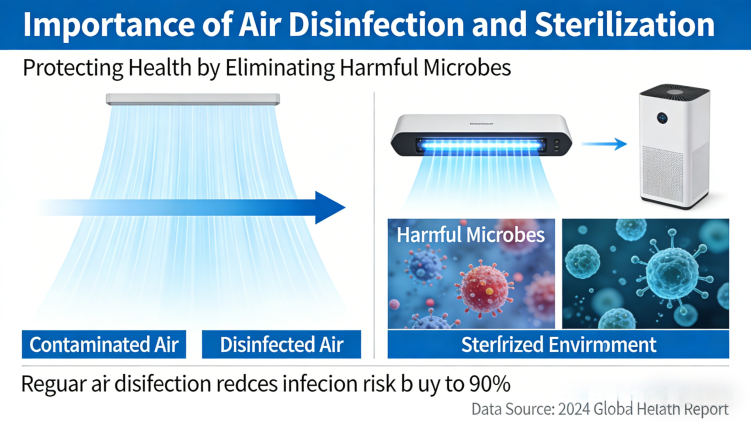
The quality of the air we breathe indoors is a cornerstone of public health. In our modern world, where people spend the majority of their time inside—from homes and offices to schools and hospitals—the air can become a hidden reservoir of potential hazards. Beyond visible dust and allergens, invisible threats like bacteria, viruses, and mold spores can circulate, increasing the risk of illness.
This guide explores the critical importance of microbial control in the air we share, identifies the spaces that benefit most from enhanced air quality measures, and breaks down the most effective air purification technologies available today.
Why is Airborne Pathogen Control Non-Negotiable?
Respiratory illnesses, from seasonal flu to the common cold, are primarily transmitted through tiny airborne particles. In enclosed spaces with poor ventilation, these contaminants can accumulate, creating an environment where infections spread easily. Implementing robust air purification strategies is no longer just an option—it is a fundamental aspect of maintaining a safe and healthy space.
The core benefits of prioritizing air quality include:
- Reducing Disease Transmission: Actively neutralizing airborne bacteria and viruses is the most effective way to break the chain of infection in communal settings.
- Eliminating Allergens and Irritants: A comprehensive air sanitation process removes pollen, dust mites, and pet dander, providing relief for allergy and asthma sufferers.
- Protecting Vulnerable Populations: In spaces like hospitals and care homes, where individuals may have weakened immune systems, maintaining sterile air is a life-saving measure.
- Boosting Overall Well-being: Clean air contributes to better cognitive function, fewer sick days, and an overall sense of comfort and safety.
Critical Environments Requiring Advanced Air Sanitation
While every indoor space can benefit from cleaner air, certain environments have a critical need for advanced air sanitation solutions.
- Healthcare and Medical Facilities: This includes hospitals, surgical centers, and dental clinics. In these high-risk zones, infection control is paramount. Operating rooms, ICUs, and waiting areas require continuous air sterilization to protect both patients and staff from healthcare-associated infections (HAIs).
- Educational Institutions: Classrooms, lecture halls, and daycare centers are breeding grounds for germs. By investing in air purification, schools can reduce absenteeism and create a more conducive learning environment for students and teachers.
- Commercial and Corporate Spaces: Open-plan offices, meeting rooms, and break areas see high foot traffic. Maintaining air quality here is key to employee health, productivity, and overall job satisfaction.
- Laboratories and Research Facilities: For labs handling biological samples or hazardous materials, preventing airborne contamination is essential for the integrity of experiments and the safety of personnel.
- Food and Pharmaceutical Production: In facilities where products are manufactured or processed, airborne microbes can compromise quality and safety. Stringent air hygiene standards are required to prevent costly product recalls and protect consumer health.
- Veterinary Clinics: These environments face unique challenges, including the risk of zoonotic diseases. Disinfecting the air protects both animal patients and their human caregivers.
Key Technologies for Air and Surface Disinfection
There is no one-size-fits-all solution for air treatment. The best approach often involves combining different technologies to achieve the highest level of protection.
- UV-C Light Technology
Ultraviolet germicidal irradiation (UVGI) is a time-tested method for inactivating microorganisms. UV-C light disrupts the DNA and RNA of bacteria, viruses, and fungi, rendering them harmless. This chemical-free process is highly effective and is widely used in HVAC systems, upper-room air purification, and standalone units to provide continuous air disinfection. - Plasma Air Sterilization
This advanced technology uses electrical discharges to create a reactive plasma field. This process not only neutralizes a wide spectrum of pathogens but also breaks down volatile organic compounds (VOCs) and odors, improving overall indoor air chemistry. Plasma sterilizers are valued for their ability to treat large volumes of air without producing harmful residues. - HEPA Filtration
High-Efficiency Particulate Air (HEPA) filters are the gold standard for particle removal. They physically trap 99.97% of particles as small as 0.3 microns, including dust, pollen, mold spores, and many bacteria. While HEPA filters capture contaminants, they do not kill them; therefore, they are most effective when used in tandem with germicidal technologies like UV-C light. - Ozone-Based Disinfection
Ozone is a powerful oxidant that can eliminate microorganisms and neutralize strong odors. It is important to note that due to its potential respiratory hazards, ozone-based disinfection is typically used for whole-room decontamination in unoccupied spaces or integrated into systems designed to safely convert oxygen.
Conclusion: Investing in a Healthier Future
The importance of proactive environmental hygiene cannot be overstated. As we spend more time indoors, ensuring the air we breathe is free from harmful pathogens is a critical step toward safeguarding our collective health. By integrating modern air purification technologies, we can transform our shared spaces into bastions of safety and well-being.
At SADA Medical, we are committed to providing cutting-edge solutions for pathogen control. Our range of products, including the Mobile Ultraviolet Medical Air Disinfector and the Wall-Mounted Plasma Medical Air Disinfector, are designed to meet the rigorous demands of various professional environments.
Inquiry us Now
More Success Stories for You
 https://autoclaveforsale.com/wp-content/uploads/2026/02/User-friendly-TS-B24-autoclave-for-quick-and-efficient-sterilization.jpg
1792
1008
Sada Medical
https://autoclaveforsale.com/wp-content/uploads/2023/02/Sada_Medical-1.jpg
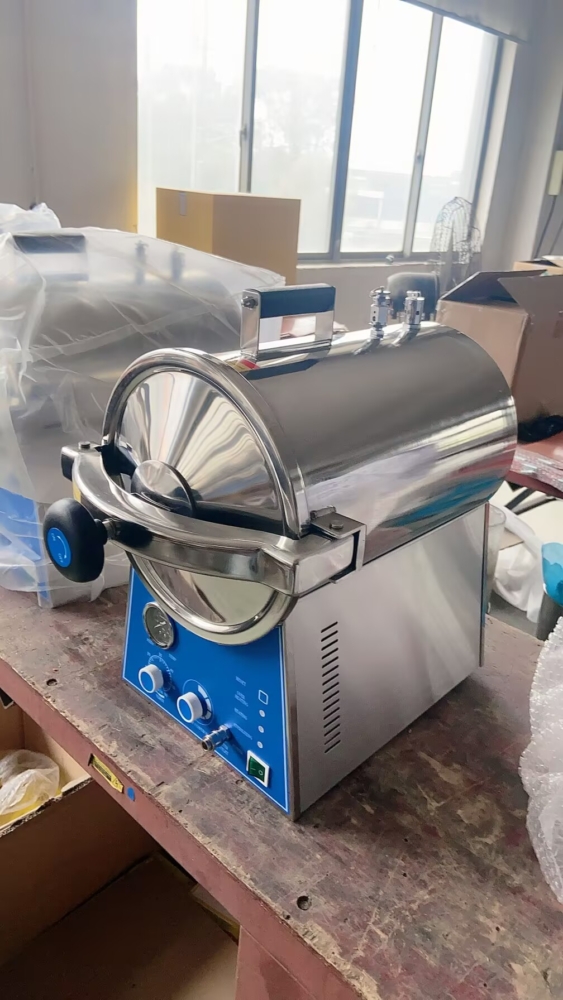
Sada Medical2026-02-27 10:00:032026-02-27 10:00:03SADA Medical Kicks Off the New Year with the Successful Delivery of TS-B24 Autoclave to India!
https://autoclaveforsale.com/wp-content/uploads/2026/02/User-friendly-TS-B24-autoclave-for-quick-and-efficient-sterilization.jpg
1792
1008
Sada Medical
https://autoclaveforsale.com/wp-content/uploads/2023/02/Sada_Medical-1.jpg
Sada Medical2026-02-27 10:00:032026-02-27 10:00:03SADA Medical Kicks Off the New Year with the Successful Delivery of TS-B24 Autoclave to India!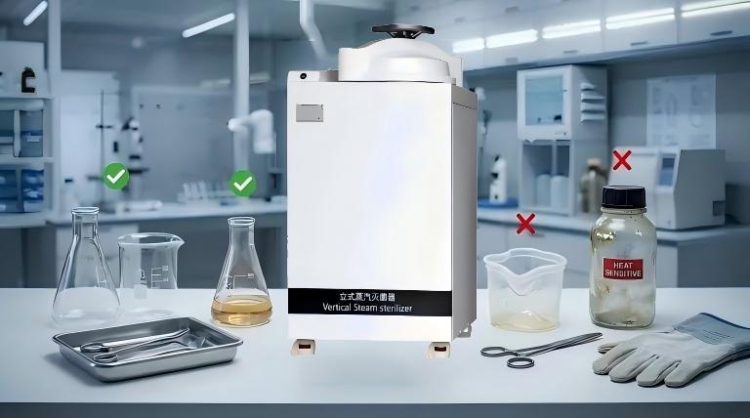 https://autoclaveforsale.com/wp-content/uploads/2026/02/Is-autoclave-suitable-for-all-materials_-The-Definitive-Guide-to-Safe-Sterilization.jpg
428
768
Sada Medical
https://autoclaveforsale.com/wp-content/uploads/2023/02/Sada_Medical-1.jpg
Sada Medical2026-02-09 10:58:182026-02-09 10:58:18Autoclave Sterilization: What Materials Can Be Safely Sterilized and Which Ones Should Be Avoided
https://autoclaveforsale.com/wp-content/uploads/2026/02/Is-autoclave-suitable-for-all-materials_-The-Definitive-Guide-to-Safe-Sterilization.jpg
428
768
Sada Medical
https://autoclaveforsale.com/wp-content/uploads/2023/02/Sada_Medical-1.jpg
Sada Medical2026-02-09 10:58:182026-02-09 10:58:18Autoclave Sterilization: What Materials Can Be Safely Sterilized and Which Ones Should Be Avoided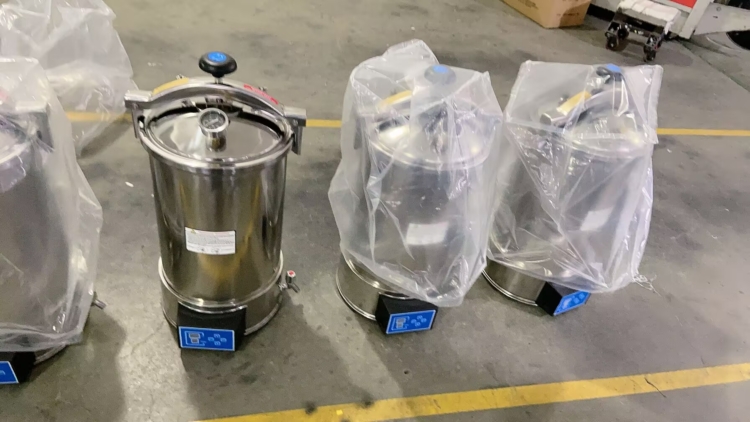 https://autoclaveforsale.com/wp-content/uploads/2026/01/SADA-Medicals-Portable-SD-PO-24L-Steam-Sterilizers-Help-Vietnam-Client-Streamline-Sterilization-Process.jpg
1008
1792
Sada Medical
https://autoclaveforsale.com/wp-content/uploads/2023/02/Sada_Medical-1.jpg
Sada Medical2026-01-27 17:30:582026-01-27 17:30:58Efficient Sterilization with SADA Medical’s SD-PO 24L Portable Pressure Steam Sterilizers for Vietnam Client
https://autoclaveforsale.com/wp-content/uploads/2023/02/Sada_Medical-1.jpg
0
0
Sada Medical
https://autoclaveforsale.com/wp-content/uploads/2023/02/Sada_Medical-1.jpg
Sada Medical2026-01-20 14:04:022026-01-20 14:05:53Efficient and Portable Sterilization with SADA Medical’s PA-BM Autoclaves – Delivered to Ethiopia
https://autoclaveforsale.com/wp-content/uploads/2026/01/SADA-Medicals-Portable-SD-PO-24L-Steam-Sterilizers-Help-Vietnam-Client-Streamline-Sterilization-Process.jpg
1008
1792
Sada Medical
https://autoclaveforsale.com/wp-content/uploads/2023/02/Sada_Medical-1.jpg
Sada Medical2026-01-27 17:30:582026-01-27 17:30:58Efficient Sterilization with SADA Medical’s SD-PO 24L Portable Pressure Steam Sterilizers for Vietnam Client
https://autoclaveforsale.com/wp-content/uploads/2023/02/Sada_Medical-1.jpg
0
0
Sada Medical
https://autoclaveforsale.com/wp-content/uploads/2023/02/Sada_Medical-1.jpg
Sada Medical2026-01-20 14:04:022026-01-20 14:05:53Efficient and Portable Sterilization with SADA Medical’s PA-BM Autoclaves – Delivered to Ethiopia


