
How to Extend the Lifespan of Your Autoclave: The Essential Maintenance Guide
Autoclaves are indispensable tools in sterilization processes across hospitals, dental clinics, and laboratories. Whether you’re sterilizing medical instruments, laboratory glassware, or surgical tools, your autoclave must perform reliably over the years. A well-maintained autoclave can last between 10 and 20 years, ensuring it provides optimal performance when you need it the most.
At Sada Medical, we specialize in high-quality autoclaves designed for longevity, safety, and efficiency. In this guide, we’ll explore key factors that impact your autoclave’s lifespan and share best practices to extend its service life.
Key Factors That Affect Your Autoclave’s Lifespan
1. Build Quality
The durability of your autoclave largely depends on its build quality. Sada Medical autoclaves are constructed with 304 stainless steel, ensuring they can withstand the extreme conditions of high-pressure steam sterilization. Higher-quality materials ensure your autoclave will last longer and require fewer repairs.
2. Water Quality
One of the biggest threats to your autoclave’s lifespan is poor water quality. Hard water, filled with minerals like calcium and magnesium, can cause mineral buildup inside the autoclave. To prevent this, always use distilled or deionized water. This prevents scale buildup, ensuring that your high-pressure steam sterilizer continues to operate efficiently.
3. Usage Frequency
The frequency of use can significantly impact your autoclave’s longevity. In high-demand environments, like hospitals or research labs, the sterilizer is likely to undergo frequent cycles. This means more wear on gaskets, seals, and internal components, so more frequent maintenance is essential.
4. Preventive Maintenance
One of the most effective ways to extend the lifespan of your autoclave is through consistent maintenance. Schedule regular inspections and servicing by a qualified technician, and implement daily cleaning routines. This includes wiping down the chamber, replacing door gaskets as needed, and running cleaning cycles to prevent debris build-up.
5. Repair or Replace: What’s Best for Your Equipment?
After 10-12 years of use, your autoclave may begin to experience major failures. While repairs can extend the life of the equipment, they may not be cost-effective in the long run. If repairs are too expensive or the unit is outdated, consider replacing it with a newer, more efficient model. Sada Medical offers a variety of advanced autoclaves, featuring modern technology and improved performance.
Conclusion
To maximize the lifespan of your autoclave, it’s essential to prioritize high-quality construction, maintain optimal water quality, and follow a strict maintenance schedule. By doing so, you can ensure your Sada Medical autoclave operates efficiently for years to come, avoiding unexpected downtime and costly repairs.
For more information on high-pressure steam sterilizers and to learn about our products, visit our website or contact us for expert advice.
Related Products
- Cheaper High Quality Table Top Steam Sterilizer for Laboratory Equipment Sterilization
- SD-M Series Horizontal Pulsating Vacuum Steam Sterilizer – 100L/200L Automatic Hospital Autoclave
-
Low temperature plasma sterilizer | automatic sterilization | medical disinfection equipment
-
Automatic Sterilization 150L Machine Autoclave for Scientific Research Equipment VA-FD
-
Portable pressure steam sterilizer electric and LPG heated autoclave for sale
People Also Ask
Inquiry us Now
More Success Stories for You
 https://autoclaveforsale.com/wp-content/uploads/2026/02/User-friendly-TS-B24-autoclave-for-quick-and-efficient-sterilization.jpg
1792
1008
Sada Medical
https://autoclaveforsale.com/wp-content/uploads/2023/02/Sada_Medical-1.jpg
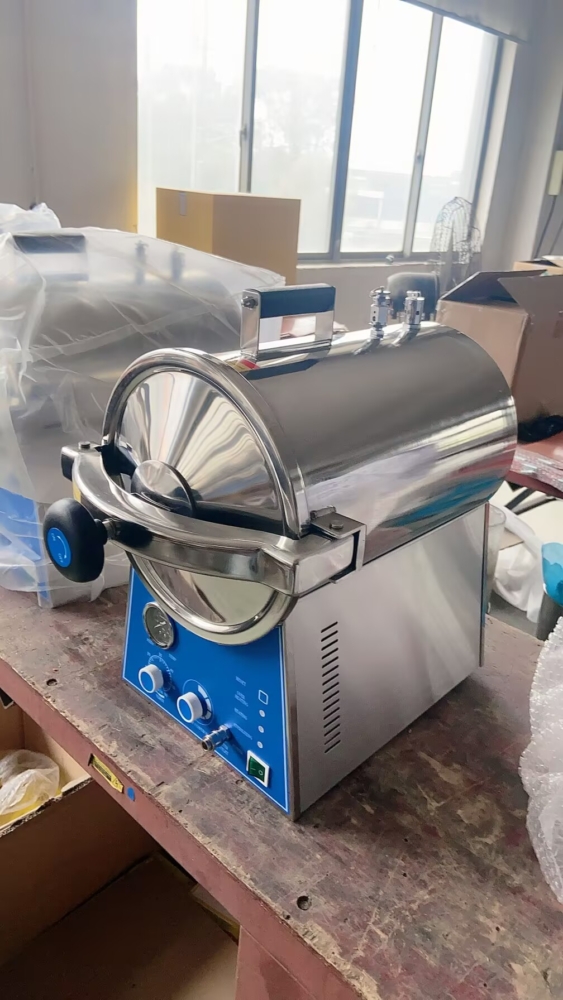
Sada Medical2026-02-27 10:00:032026-02-27 10:00:03SADA Medical Kicks Off the New Year with the Successful Delivery of TS-B24 Autoclave to India!
https://autoclaveforsale.com/wp-content/uploads/2026/02/User-friendly-TS-B24-autoclave-for-quick-and-efficient-sterilization.jpg
1792
1008
Sada Medical
https://autoclaveforsale.com/wp-content/uploads/2023/02/Sada_Medical-1.jpg
Sada Medical2026-02-27 10:00:032026-02-27 10:00:03SADA Medical Kicks Off the New Year with the Successful Delivery of TS-B24 Autoclave to India!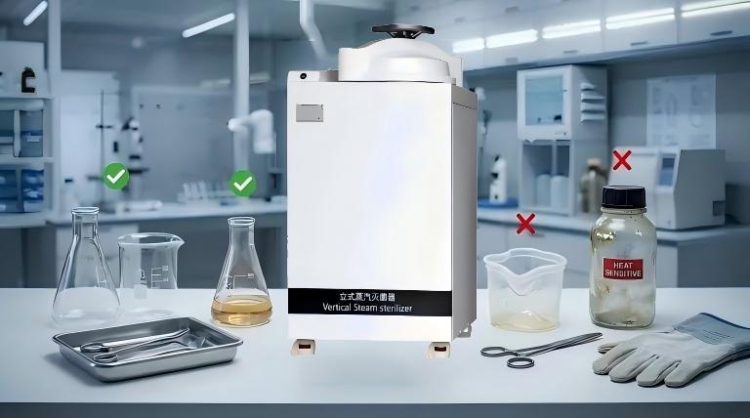 https://autoclaveforsale.com/wp-content/uploads/2026/02/Is-autoclave-suitable-for-all-materials_-The-Definitive-Guide-to-Safe-Sterilization.jpg
428
768
Sada Medical
https://autoclaveforsale.com/wp-content/uploads/2023/02/Sada_Medical-1.jpg
Sada Medical2026-02-09 10:58:182026-02-09 10:58:18Autoclave Sterilization: What Materials Can Be Safely Sterilized and Which Ones Should Be Avoided
https://autoclaveforsale.com/wp-content/uploads/2026/02/Is-autoclave-suitable-for-all-materials_-The-Definitive-Guide-to-Safe-Sterilization.jpg
428
768
Sada Medical
https://autoclaveforsale.com/wp-content/uploads/2023/02/Sada_Medical-1.jpg
Sada Medical2026-02-09 10:58:182026-02-09 10:58:18Autoclave Sterilization: What Materials Can Be Safely Sterilized and Which Ones Should Be Avoided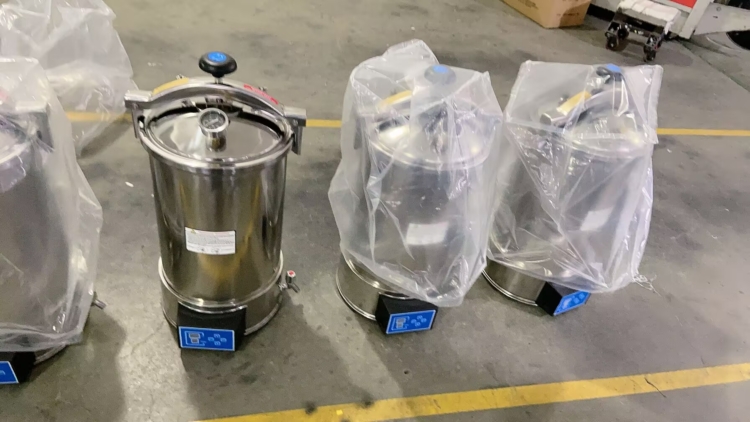 https://autoclaveforsale.com/wp-content/uploads/2026/01/SADA-Medicals-Portable-SD-PO-24L-Steam-Sterilizers-Help-Vietnam-Client-Streamline-Sterilization-Process.jpg
1008
1792
Sada Medical
https://autoclaveforsale.com/wp-content/uploads/2023/02/Sada_Medical-1.jpg
Sada Medical2026-01-27 17:30:582026-01-27 17:30:58Efficient Sterilization with SADA Medical’s SD-PO 24L Portable Pressure Steam Sterilizers for Vietnam Client
https://autoclaveforsale.com/wp-content/uploads/2023/02/Sada_Medical-1.jpg
0
0
Sada Medical
https://autoclaveforsale.com/wp-content/uploads/2023/02/Sada_Medical-1.jpg
Sada Medical2026-01-20 14:04:022026-01-20 14:05:53Efficient and Portable Sterilization with SADA Medical’s PA-BM Autoclaves – Delivered to Ethiopia
https://autoclaveforsale.com/wp-content/uploads/2026/01/SADA-Medicals-Portable-SD-PO-24L-Steam-Sterilizers-Help-Vietnam-Client-Streamline-Sterilization-Process.jpg
1008
1792
Sada Medical
https://autoclaveforsale.com/wp-content/uploads/2023/02/Sada_Medical-1.jpg
Sada Medical2026-01-27 17:30:582026-01-27 17:30:58Efficient Sterilization with SADA Medical’s SD-PO 24L Portable Pressure Steam Sterilizers for Vietnam Client
https://autoclaveforsale.com/wp-content/uploads/2023/02/Sada_Medical-1.jpg
0
0
Sada Medical
https://autoclaveforsale.com/wp-content/uploads/2023/02/Sada_Medical-1.jpg
Sada Medical2026-01-20 14:04:022026-01-20 14:05:53Efficient and Portable Sterilization with SADA Medical’s PA-BM Autoclaves – Delivered to Ethiopia


